Traditional online stores are becoming harder to scale, while niche-focused and system-based ecommerce models are growing rapidly.In this guide, we explore real ecommerce business ideas in Europe for 2026, including low-investment models, niche store concepts, and modern turnkey ecommerce systems.If you are exploring structured ecommerce opportunities, systems like Bonordic show how entrepreneurs can operate online stores with suppliers, logistics, and infrastructure already integrated into the business model.
Ecommerce Business Model Overview
1. Curated Niche Ecommerce Stores
One of the strongest ecommerce models in Europe is the curated niche store. Instead of selling everything, you focus on a specific category such as Scandinavian furniture, minimalist home decor, or premium interior design products.
2. Scandinavian Interior Design Stores
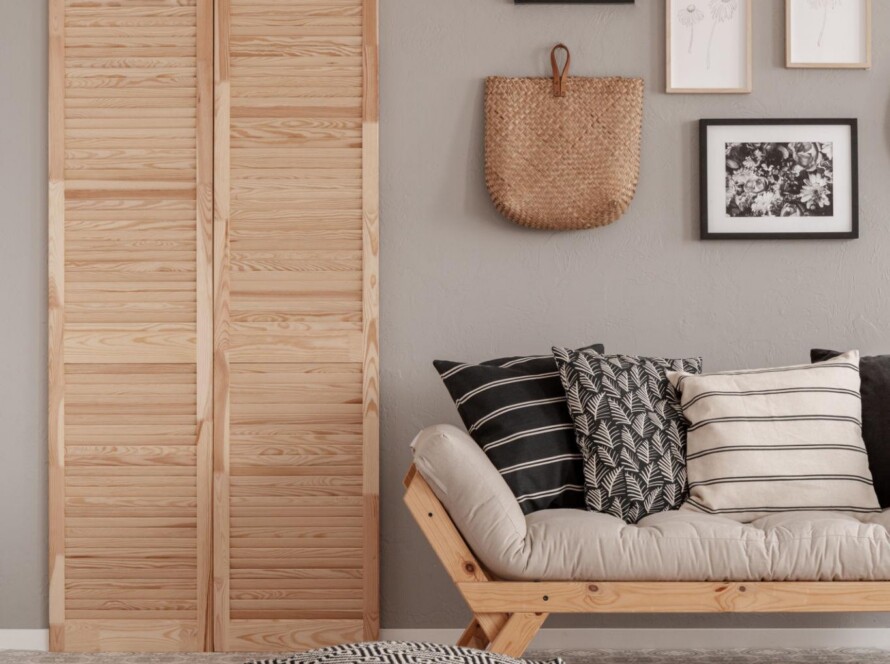
Scandinavian design remains one of the most in-demand aesthetics globally, focusing on neutral tones, functional furniture, and minimalist lifestyle products.
👉 Related reading:
Scandinavian Interior Design Franchise Guide
3. No-Inventory Ecommerce Business Models
Many modern ecommerce businesses in Europe no longer hold inventory. Instead, suppliers handle fulfillment while the store focuses on branding and marketing.
4. Turnkey Ecommerce Business Systems
A growing trend in Europe is structured ecommerce systems where the business infrastructure is already built.
These systems typically include a ready-made online store, supplier network, product catalog, and operational framework.
👉 Learn more:
Ecommerce Business Model Overview
5. Boutique Home Decor Brands
Boutique ecommerce stores focus on curated product selection, strong brand identity, and emotional buying decisions.
6. Low-Investment Ecommerce Businesses
Low-investment models remain popular in Europe, including niche dropshipping (premium only), supplier-based ecommerce stores, and curated product collections.
7. Luxury Home Decor Ecommerce Stores
Luxury ecommerce continues to grow across Europe, especially in Scandinavia, Germany, and France.
8. Sustainable Ecommerce Businesses
Sustainability is now a major factor in European consumer behavior, with demand for eco-friendly and ethical products increasing.
9. Print-on-Demand Home Decor Stores
Print-on-demand allows entrepreneurs to sell custom designs without holding inventory.
10. Hybrid Interior Design + Ecommerce Stores
Some ecommerce businesses combine design inspiration with product sales, increasing conversion rates.
11. AI-Supported Ecommerce Stores
AI tools are increasingly used for product selection, personalization, and store optimization.
12. Structured Ecommerce Franchise Models
A newer category in Europe is structured ecommerce systems where entrepreneurs operate within an established framework.
👉 Learn more:
Interior Design Franchise Europe
Which Ecommerce Idea is Best?
- Low investment → supplier-based or no-inventory stores
- Brand building → curated niche stores
- Fast launch → turnkey ecommerce systems
- Long-term scaling → premium niche ecommerce brands
Want to start an ecommerce business in Europe?
Bonordic offers a structured ecommerce system with suppliers, logistics, and a ready-made online store — designed for entrepreneurs who want to launch quickly.
Final Thoughts
The ecommerce landscape in Europe is shifting toward niche specialization, strong branding, and system-based ecommerce models.
Instead of building stores from scratch, many entrepreneurs are now choosing structured ecommerce systems that simplify operations and speed up launch.
👉 Explore opportunities here:
Book a Bonordic Franchise Presentation
FAQ
Is ecommerce still profitable in Europe in 2026?
Yes, but only niche-focused and system-based ecommerce models are growing.
What is the easiest ecommerce business to start?
No-inventory and turnkey ecommerce systems are the fastest to launch.
Do I need inventory to start an online store?
No, many modern ecommerce models use supplier-based fulfillment.